Home Loan Prepayment & Balance Transfer 2026
The rules, rates and charges below are indicative for 2026 and change with RBI circulars and Budget updates — check your own loan agreement and the current figures with your lender before you act.
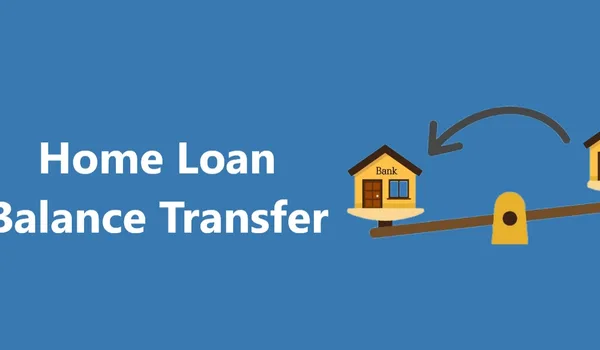
A home loan is the longest bill most of us ever sign up for, and the interest on it usually dwarfs the price of the flat over twenty years. Two levers can cut that interest down: prepayment — paying off part or all of the loan ahead of schedule — and a balance transfer, moving the outstanding loan to a lender charging a lower rate. Both got materially more attractive from 2026, when a new RBI rule scrapped foreclosure charges on most floating-rate home loans. This guide explains how each works, the maths that tells you whether it is worth it, and the tax angle you should not overlook.
If you are still choosing a lender or working out your EMI on a home like Godrej Beacon in Yelahanka, start with our home loan guide for Bangalore buyers, and weigh the ownership decision itself in our buy vs rent analysis.
The 2026 Rule Change — No Foreclosure Charges on Floating Loans
The single biggest development for borrowers is the RBI (Pre-payment Charges on Loans) Directions, 2025, issued on 2 July 2025 and effective for loans sanctioned or renewed on or after 1 January 2026. Under it, banks and finance companies cannot levy any prepayment or foreclosure charge on a floating-rate loan taken by an individual for a non-business purpose — which covers a normal home loan — regardless of the loan amount, the source of the money you prepay with, or whether there are co-borrowers. The Directions widened the earlier protection (which already barred such charges on individual floating-rate home loans) to also cover loans to individuals and Micro and Small Enterprises for business purposes, and require the terms to be spelt out in the sanction letter and Key Facts Statement. The upshot: if your home loan is on a floating rate, prepaying it should cost you nothing in penalties.
Fixed-rate loans are treated differently — see the next section — so check whether your loan is floating or fixed before assuming zero charges. As always, confirm against your own loan agreement.
Prepayment Charges — Floating vs Fixed
| Loan type | Prepayment / foreclosure charge (2026) |
|---|---|
| Floating-rate home loan (individual) | Nil — barred by the RBI 2025 Directions |
| Repo-linked (EBLR) floating home loan | Nil (a floating-rate loan) |
| Fixed-rate home loan | May still apply — commonly around 2% to 4% of the amount prepaid |
Most home loans in India today are floating and linked to the RBI repo rate, so for the majority of borrowers prepayment is now free of penalty. Fixed-rate loans are the exception: the RBI did not cap their charges but requires them to be reasonable, disclosed upfront and set by a board-approved policy, and in practice they still run in the region of 2% to 4% of the amount prepaid. If you are unsure which you have, the loan agreement and the Key Facts Statement will say — read them before you prepay a large sum.
Part-Prepayment — Reduce Tenure or Reduce EMI?
When you make a part-prepayment, the lender usually offers a choice: keep the EMI the same and shorten the tenure, or keep the tenure and lower the EMI. Reducing the tenure almost always saves more interest, because you close the loan sooner and cut off the tail of interest payments; reducing the EMI eases monthly cash flow but leaves the loan running as long as before. The other principle worth internalising is timing: home-loan interest is front-loaded, meaning the early years’ EMIs are mostly interest. A prepayment made in year three therefore wipes out far more future interest than the same amount paid in year fifteen. If you are going to prepay, earlier and toward tenure-reduction is generally the most powerful combination.
- Reduce tenure — same EMI, loan closes sooner, maximum interest saved.
- Reduce EMI — lower monthly outgo, but total interest falls much less.
- Prepay early — the earlier in the tenure you prepay, the more interest you kill.
Balance Transfer — When Refinancing Pays Off
A balance transfer (or refinance) moves your outstanding loan from your current lender to a new one offering a lower rate. It is worth exploring when the new rate is meaningfully lower — a differential of about 0.5% or more is the usual rule of thumb — and when you still have a decent chunk of tenure left, typically five years or more, because the interest savings need time to outweigh the switching cost. A strong credit score (750+) gets you the best refinance rates. The savings are real but not free, so the decision comes down to a break-even calculation: how many months of lower EMIs it takes to recover the cost of switching.
The costs of switching
- Processing fee at the new lender — commonly around 0.5% of the loan plus GST.
- MODT / stamp charges — in Karnataka the Memorandum of Deposit of Title Deed costs about 0.6% of the sanctioned loan (0.5% stamp duty plus 0.1% registration), and it recurs on a transfer.
- Legal and valuation fees the new lender charges to re-appraise the property and title.
Add those up, divide by your monthly saving, and you get the break-even in months. If you will hold the loan comfortably past that point, the transfer pays; if you are close to closing the loan anyway, it usually does not. Note too that prepaying your existing floating-rate loan to fund the transfer now carries no foreclosure penalty, which improves the maths further.
The Tax Angle — Mind the Regime
Prepaying changes your interest and principal outgo, which can touch your tax deductions — but only if you are on the old tax regime. Under the old regime, a self-occupied home loan lets you deduct interest up to ₹2 lakh a year under Section 24(b) and principal up to ₹1.5 lakh under Section 80C. Prepaying reduces the future interest, which can shrink the 24(b) benefit for those who are actually using it — a factor to weigh, though saving real interest almost always beats preserving a deduction. The bigger point is that the new tax regime, now the default, removes the 24(b) interest and 80C principal deductions for a self-occupied property altogether. So if you are on the new regime, there is no home-loan tax break to lose, and the prepayment decision is purely about the interest you save. Interest on a let-out property remains deductible against the rent even under the new regime. Confirm your own position with a tax advisor.
So Should You Prepay or Transfer?
If you have surplus cash and your loan is on a floating rate, prepaying is now almost a no-brainer — no penalty, guaranteed return equal to your loan rate, and the earlier you do it the more you save. A balance transfer makes sense when another lender is at least half a percent cheaper and you have several years of tenure left to recover the switching cost. The one thing to check first is whether your loan is floating or fixed, because that decides whether prepayment is free or carries a charge. Run the break-even numbers on your own loan rather than on a rule of thumb, and read your loan agreement for the exact terms.
To map this against a specific purchase and your own budget, get in touch for details, and read the finance guides linked above before you decide.
Frequently Asked Questions
1. Are there prepayment charges on a home loan in 2026?
Not on a floating-rate home loan taken by an individual. The RBI (Pre-payment Charges on Loans) Directions, 2025, effective for loans sanctioned or renewed from 1 January 2026, bar any prepayment or foreclosure charge on such loans, regardless of amount or source of funds. Fixed-rate loans can still carry a charge, commonly around 2% to 4%.
2. Should I reduce the tenure or the EMI when I prepay?
Reducing the tenure almost always saves more interest, because the loan closes sooner and you cut off the tail of interest. Reducing the EMI eases your monthly cash flow but leaves the loan running as long as before, so the total interest falls much less.
3. When is a home loan balance transfer worth it?
When the new lender's rate is about 0.5% or more lower and you still have roughly five years or more of tenure left, so the interest saved outweighs the switching cost. Do a break-even calculation: add the processing fee, MODT and legal or valuation costs, and divide by your monthly saving to see how many months it takes to recover.
4. What does a balance transfer cost?
Typically a processing fee of around 0.5% of the loan plus GST at the new lender, a fresh MODT of about 0.6% of the sanctioned loan in Karnataka, and legal and valuation fees. These switching costs are why a transfer only pays when the rate gap and remaining tenure are large enough.
5. Does prepaying my home loan affect my tax deduction?
Only if you are on the old tax regime, where interest up to Rs 2 lakh (Section 24b) and principal up to Rs 1.5 lakh (Section 80C) are deductible for a self-occupied home; prepaying reduces future interest and so the 24(b) benefit. The new tax regime, now the default, removes these deductions for a self-occupied property, so there is no break to lose. Confirm with a tax advisor.
6. Is it better to prepay early or later in the loan?
Earlier. Home-loan interest is front-loaded, so the early years' EMIs are mostly interest. A prepayment made in year three wipes out far more future interest than the same amount paid in year fifteen. If you have the surplus, prepaying early and choosing tenure-reduction saves the most.
Conclusion
Prepayment and balance transfer are the two most reliable ways to cut the lifetime cost of a home loan, and both improved for borrowers in 2026. With foreclosure charges scrapped on floating-rate loans, prepaying surplus cash — early, and toward tenure-reduction — earns a guaranteed return equal to your loan rate with no penalty. A balance transfer is worth the paperwork when a rival lender is at least half a percent cheaper and enough tenure remains to clear the switching cost. Check whether your loan is floating or fixed, run the break-even on your own numbers, and mind which tax regime you are on before you count any deduction. Do that and you can shave years and lakhs off the loan without guesswork.
To map the finance against a specific home, read our home loan guide and the buyer guides linked above before you commit.
Godrej Beacon Blog